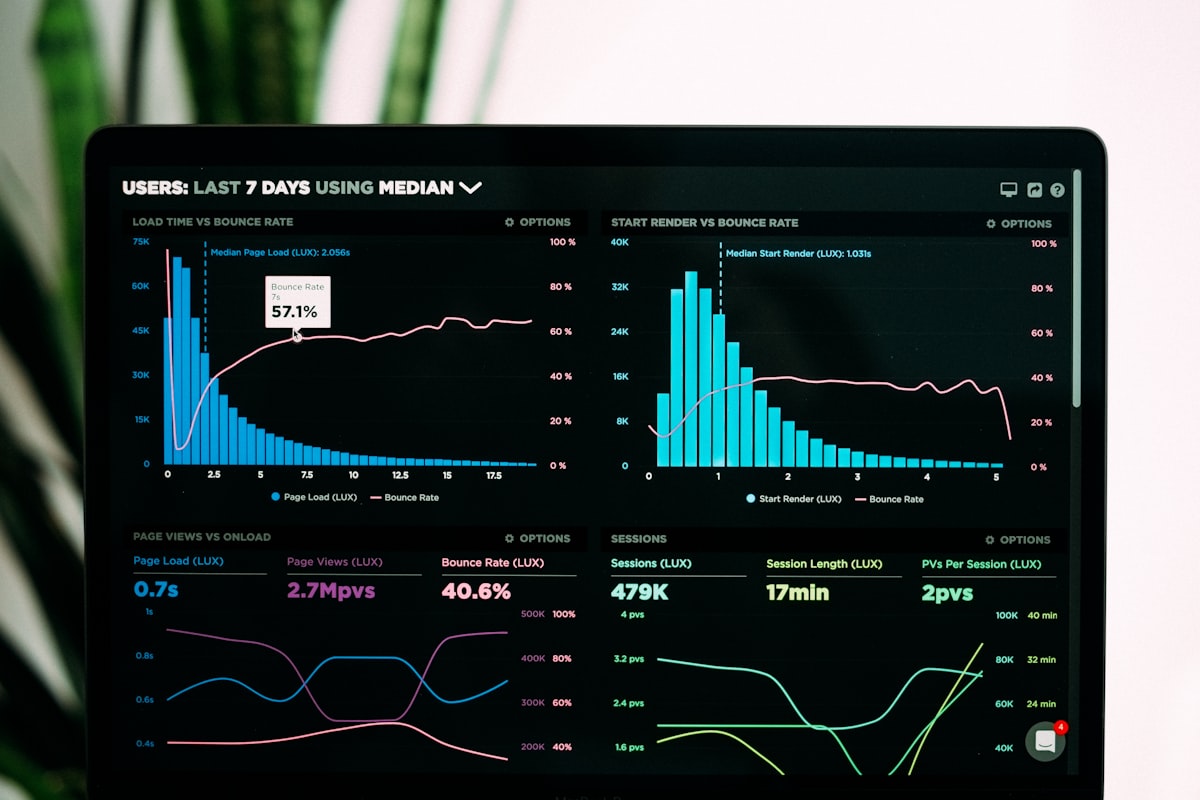
A Dubai beauty brand whose paid social I ran end to end across Meta and TikTok. The ad account was rebuilt around a structured ad-set architecture, creative testing became a routine rather than a reaction, and conversion campaigns routed shoppers into a WhatsApp conversation.
Meta AdsTikTok AdsAd-set architectureClick-to-WhatsApp
Paid social run properly — an account with a structure, creative that keeps coming, and a conversion shoppers here will actually complete.
Beauty is one of the hardest categories to advertise well. The audience is huge and easy to reach, which makes early results look encouraging and later results look confusing; creative fatigues quickly because people see a great deal of it; and every competitor is bidding for the same attention with the same offers. Ad accounts in this category tend to accumulate campaigns rather than be designed, until nobody can say which audience an ad set is actually reaching or why a particular number moved.
The brief was to take both platforms end to end and give the account a shape it could scale from. That meant rebuilding the structure so each ad set had one job, turning creative production into a routine with a schedule rather than a response to a bad week, and choosing a conversion that fits how people here actually shop for beauty products — which is often by asking a question in a chat before they will ever complete a checkout.
Four jobs came out of that, and the rest of this page describes how each was handled. It describes scope and method, not results: the revenue and return figures in this brand's account belong to the brand, and none of them are published here.
/01
An account with a structure
Campaigns had accumulated rather than been designed. The account needed rebuilding so each ad set had one audience, one job and a result that could be read on its own.
/02
Creative treated as a system
In beauty, creative is the targeting. Producing and testing it had to become a routine with a defined shape, not something improvised whenever performance dipped.
/03
A conversion people will actually do
Plenty of shoppers here would rather ask a question than complete a checkout. The campaigns needed a route into conversation, not just a route into a cart.
/04
Two platforms, one read
Meta and TikTok behave differently and report differently. Both had to be judged against the same definitions so the budget split could be decided on evidence.
The work
What I Built and Ran
Structure first, then creative as a system, then a conversion route that suits the market rather than the platform.
The rebuild came before anything else, because structure decides what you are able to learn. When prospecting, engaged audiences and returning customers share an ad set, every result is an average of three different situations and no decision made from it is safe. Separating them — with consistent naming, no overlapping audiences, and dormant campaigns closed rather than paused indefinitely — means a report can be read at a glance and a budget decision can be defended.
Creative was then treated as the real targeting lever, which in beauty it is. New hooks, formats and angles entered testing on a schedule rather than when performance dipped, and TikTok material was made for TikTok instead of resized from Meta, because an advert that was clearly built for another platform is recognised in the first second and scrolled past in the second. The point of the routine is that the account never depends on one ad that is quietly ageing out.
The work, in six parts
Ad account rebuild
The account restructured from the campaign level down: overlapping audiences separated, dormant ad sets closed, and naming made consistent so a report reads without translation.
Structured ad-set architecture
Prospecting, engaged audiences and returning customers kept in distinct ad sets, each with one job, so learning from one is never confused with learning from another.
Click-to-WhatsApp campaigns
Conversion campaigns that open a chat rather than a checkout, routed to the people who answer them, matching how beauty shoppers in this market prefer to buy.
Creative testing routine
A repeatable cycle of hooks, formats and angles, with new material entering on a schedule so the account is never dependent on a single ad that is quietly ageing.
TikTok-native production
Creative made for TikTok rather than resized from Meta — different pacing, different first seconds, and a tone that does not read as an advert pretending to be a video.
Tracking and conversion setup
Events, tagging and conversion definitions configured so both platforms and the reporting agree on what a conversation and a purchase are before spend increases.
Measurement
How the Work Was Measured
Two platforms, one definition. Neither Meta nor TikTok gets to mark its own homework.
The primary measure was the conversation: how many were started, from which ad set and which creative, and what each one cost against the spend behind it. Both platforms will happily claim the same person, so the comparison was made against one agreed definition rather than against the numbers each dashboard reports for itself. Frequency and audience overlap were watched for the same reason — paying twice to reach one person is one of the easiest ways to lose money in a category this heavily targeted.
What the reporting tracked
Conversations started, by campaign, by ad set and by creative
Cost per conversation, tracked against spend for the same period
Which creative angles and hooks kept working as spend increased
Audience overlap and frequency, so the same people were not paid for twice
Meta and TikTok compared on one definition rather than on platform-reported wins
What is not published here
Revenue, order volume or return-on-spend figures from the brand's accounts
Percentage sales growth against whatever the account did previously
Conversion rates, recovery rates or repeat purchase rates without a source
Founder quotes or endorsements that were not written by the client
E-commerce case studies are where invented return-on-spend figures are most common, and I am not adding to the pile. In a conversation I can show how an account like this is structured and how the reporting is assembled. The general method is described on Meta Ads management.
Process
How the Engagement Ran
Audit, rebuild, then a creative rhythm that keeps the account from depending on a single winning ad.
/01
Account and creative audit
Opening phase
I went through the account structure first: which campaigns existed, which audiences overlapped, what the naming meant, and which ad sets were still running on decisions made months earlier. Alongside that, an honest look at the creative library — what had been tested, what had never been varied, and which formats had never been tried at all. Most underperforming beauty accounts are not badly targeted; they are structurally confused and creatively repetitive, and those are different problems with different fixes.
/02
Rebuild and tracking
Build phase
The account was rebuilt around a clear ad-set architecture, with prospecting, engaged audiences and returning customers separated so each could be judged independently. Tracking and conversion definitions were fixed at the same time: what counts as a conversation, what counts as a purchase, and which platform-reported numbers would be treated as signals rather than as truth. Nothing scaled until those definitions were agreed.
/03
Creative cycle and WhatsApp routing
Ongoing
With structure in place, the work became a rhythm: new creative entering testing on a schedule, weaker material retired before it dragged, and click-to-WhatsApp conversion campaigns carrying the enquiries that came from it. Routing conversations to the people who answer them mattered as much as the ads — a fast reply is part of the conversion, and no amount of media buying compensates for a chat left unanswered until the next day.
/04
Reading both platforms together
Regular cadence
Meta and TikTok were reviewed side by side against the same definitions rather than against their own dashboards, which is the only way to make an honest budget decision between them. Reporting set out what was spent, what came back as conversations, which creative was carrying the account and what I planned to change next — with the accounts open to the client so any figure could be checked at source.
Services used
The Services Behind This Work
The three services this engagement is assembled from — the rest of the client work is on work.
Meta Ads Management
The structural work at the centre of this engagement: ad-set architecture, creative testing and click-to-WhatsApp conversion campaigns.